 11
11 Wood is one of the most widely used building materials in homes, furniture, historic buildings, and outdoor structures. Its durability, natural beauty, and versatility make it an excellent choice for construction and craftsmanship. However, several species of wood-boring beetles can infest timber, causing damage that ranges from minor cosmetic issues to significant structural deterioration if left untreated.
The term “woodworm” does not refer to a single insect. Instead, it is a general name used for the larval stage of various wood-boring beetle species. These larvae tunnel through wood while feeding before emerging as adult beetles through small exit holes. Understanding the different species and their characteristics helps homeowners recognize potential problems early and choose the most appropriate treatment methods.
In this guide, we’ll explore the most common wood-boring beetle species, the signs they leave behind, and how to protect your timber from long-term damage.
Woodworm is the common name for the larvae of several beetle species that feed on wood.
The life cycle generally includes:
The larval stage causes almost all of the damage because the larvae spend months or even years feeding inside timber before emerging as adults.
The Common Furniture Beetle is one of the most widespread wood-boring beetles in many parts of Europe.
It commonly attacks:
This species often infests softwoods but may also attack some hardwoods.
The Deathwatch Beetle is known for attacking hardwoods, particularly older buildings.
It commonly affects:
This species is frequently associated with timber already affected by fungal decay.
The House Longhorn Beetle is one of the most destructive wood-boring insects in some regions.
It mainly attacks:
Because larvae can remain inside wood for many years, infestations may become extensive before they are discovered.
Powderpost Beetles primarily infest hardwoods containing a high starch content.
Commonly affected items include:
Repeated infestations may occur if untreated wood remains available.
Ambrosia Beetles differ from many other wood-boring beetles because they cultivate fungi inside the tunnels they create.
They usually attack:
Properly seasoned construction timber is generally less susceptible.
Bark Beetles mainly infest living, weakened, or recently felled trees rather than finished structural timber.
They are important forest pests but rarely attack well-maintained wood inside homes.
The severity of damage depends on:
Some species cause only localized cosmetic damage, while others can weaken structural timber if infestations remain untreated.
Although species vary, many infestations produce similar warning signs.
Look for:
Routine inspections help detect infestations early.
Some wood-boring beetle species are more likely to infest timber with elevated moisture levels.
Common moisture sources include:
Keeping timber dry supports long-term wood preservation.
Inspect vulnerable wooden structures at least once each year.
Pay attention to:
Look for:
Early detection reduces repair costs.
Treatment depends on:
Professional options include approved chemical treatments and modern heat-based technologies.
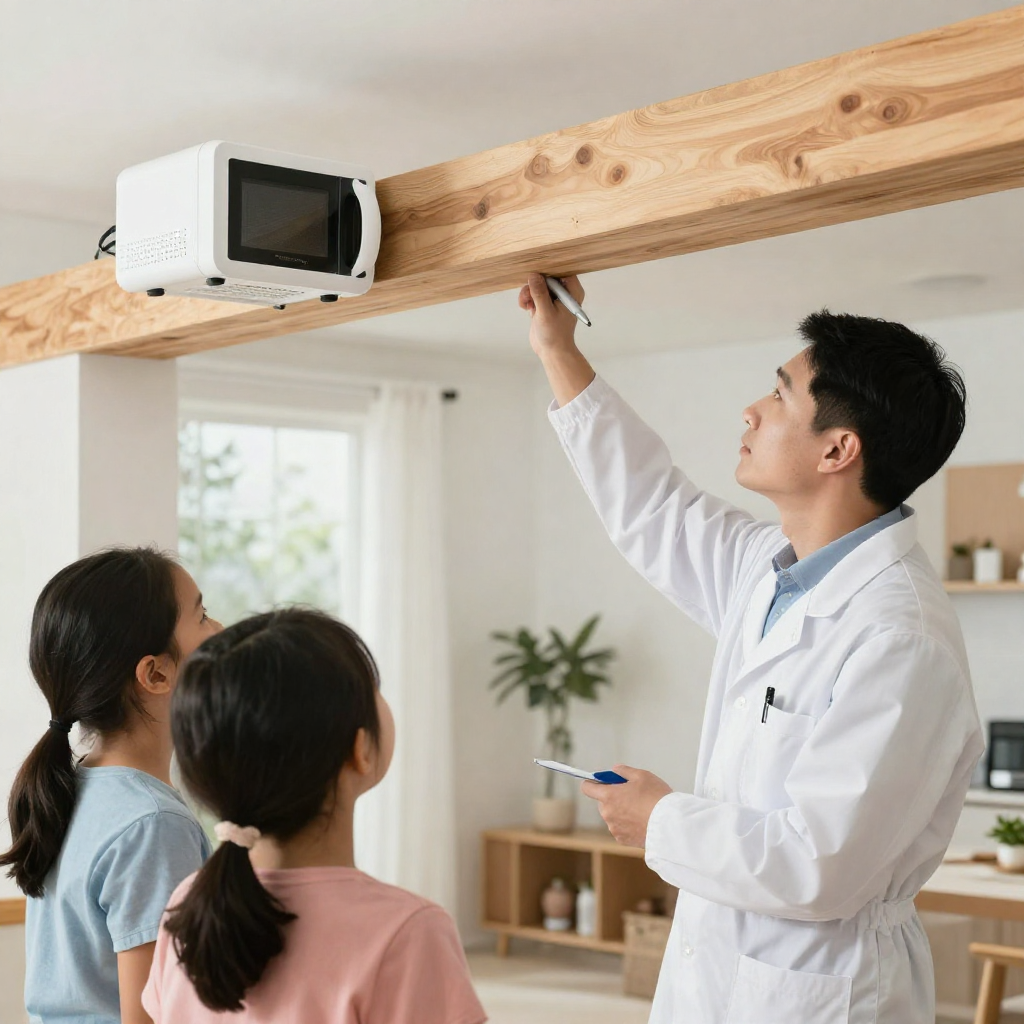
One increasingly popular chemical-free option is microwave woodworm treatment.
Professional microwave equipment uses dielectric heating to generate controlled heat inside timber.
The treatment is designed to eliminate:
When an active infestation is confirmed, microwave treatment can provide an effective solution for many wood-boring beetle species while minimizing disruption to the structure.
| Beetle Species | Commonly Attacks | Typical Signs |
|---|---|---|
| Common Furniture Beetle | Furniture, beams, floorboards | Small round holes, fine frass |
| Deathwatch Beetle | Oak beams, historic buildings | Larger holes, coarse frass |
| House Longhorn Beetle | Roof timbers, structural softwood | Oval holes, large galleries |
| Powderpost Beetles | Hardwood flooring, furniture | Tiny holes, flour-like frass |
| Ambrosia Beetles | Fresh timber, logs | Tunnels with fungal growth |
| Bark Beetles | Living or recently felled trees | Galleries beneath bark |
Avoid these common errors:
Routine maintenance greatly reduces the likelihood of severe damage.
Fact: Woodworm is a general term that refers to the larvae of several different wood-boring beetle species.
Fact: Some species cause only limited damage, while others can significantly weaken timber if infestations remain untreated.
Fact: Exit holes may remain visible long after beetles have emerged. Fresh frass and other evidence are often needed to confirm current activity.
Wood-boring beetles include several different species, each with unique behaviors, preferred wood types, and patterns of damage. From the Common Furniture Beetle and Deathwatch Beetle to the House Longhorn Beetle and Powderpost Beetles, understanding these insects helps homeowners recognize problems early and protect valuable timber.
Regular inspections, moisture control, proper ventilation, and timely maintenance remain the best ways to reduce the risk of infestation. When active woodworm is confirmed, modern treatment methods such as microwave woodworm treatment provide a targeted, chemical-free option for eliminating beetle larvae while preserving original timber. With the right preventive measures, wooden structures can remain strong, attractive, and durable for generations.Visit https://www.shashel.eu online for more details.